January 22, 2026
January 22, 2026 • Hair Routine
Seeing more hair in the shower can be alarming, but not all hair fall is the same. This guide explains the difference between normal hair shedding and true hair loss, why each happens, and how understanding the distinction helps set realistic expectations.
Written by Admin
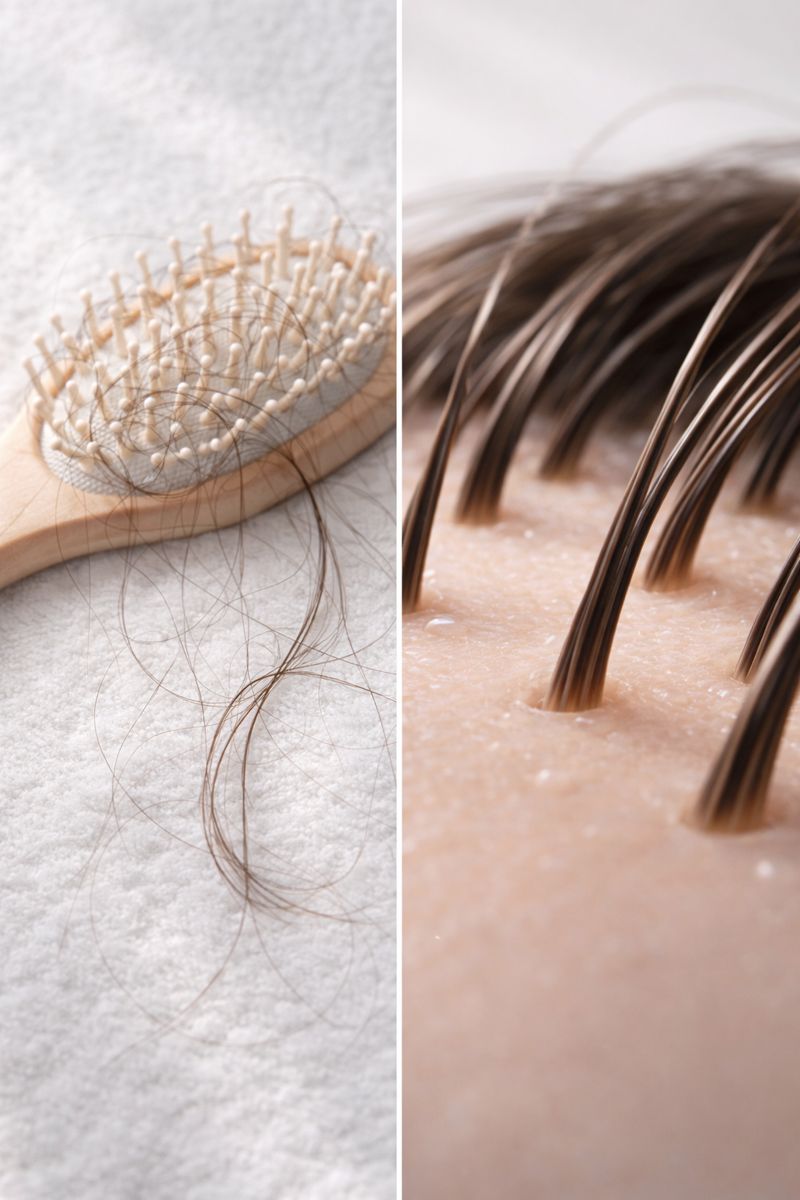
Noticing hair on your pillow, in the shower drain, or on your brush often triggers immediate concern. However, hair fall does not always indicate permanent hair loss. Understanding the difference between shedding and hair loss is essential for responding appropriately.
Many people mistake normal biological shedding for a more serious condition. This confusion can lead to unnecessary stress or overcorrection with aggressive routines.
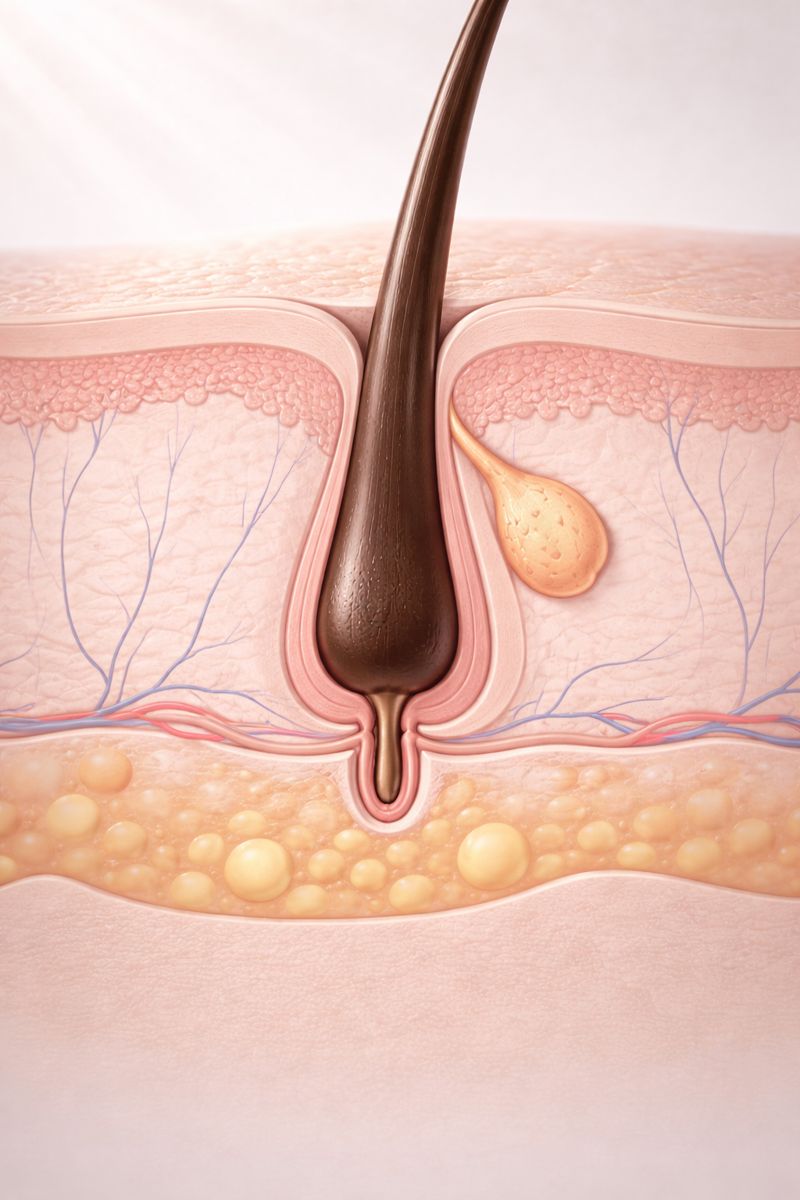
Hair shedding is a normal part of the hair growth cycle. Each follicle moves through growth, transition, and rest phases. During the resting phase, older hairs naturally detach to make room for new growth.
On average, shedding up to 50–100 hairs per day is considered normal. Temporary increases in shedding can occur due to stress, illness, dietary changes, or seasonal shifts.
Hair loss refers to a gradual reduction in hair density caused by follicles producing thinner strands or stopping production altogether. Unlike shedding, hair loss typically progresses slowly and follows recognizable patterns.
Over time, affected areas may show widening parts, reduced coverage at the crown, or a receding hairline. This process reflects changes within the follicle itself rather than the normal release of old hairs.
One of the simplest ways to distinguish shedding from hair loss is to observe patterns over time. Shedding often appears suddenly and evenly across the scalp, while hair loss develops gradually and is usually localized.
Another clue is recovery. Shedding often resolves on its own once the underlying trigger passes, whereas hair loss tends to persist or progress without intervention.
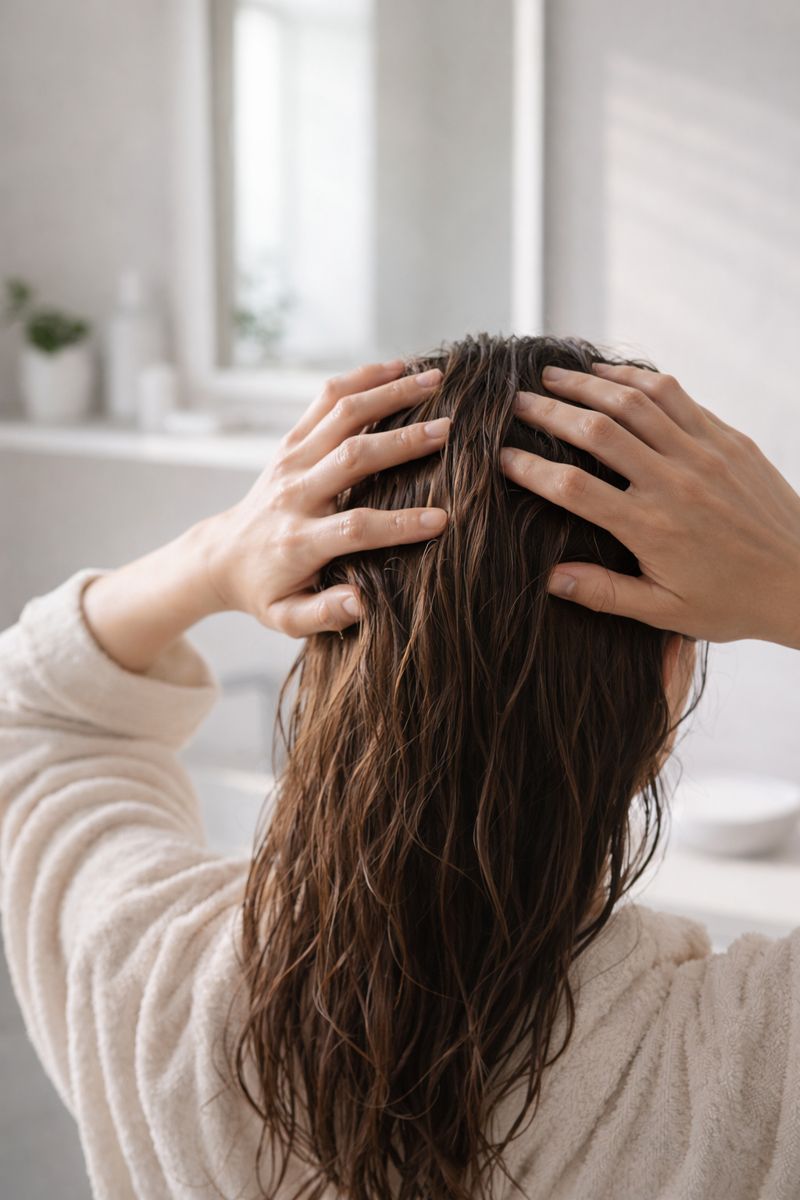
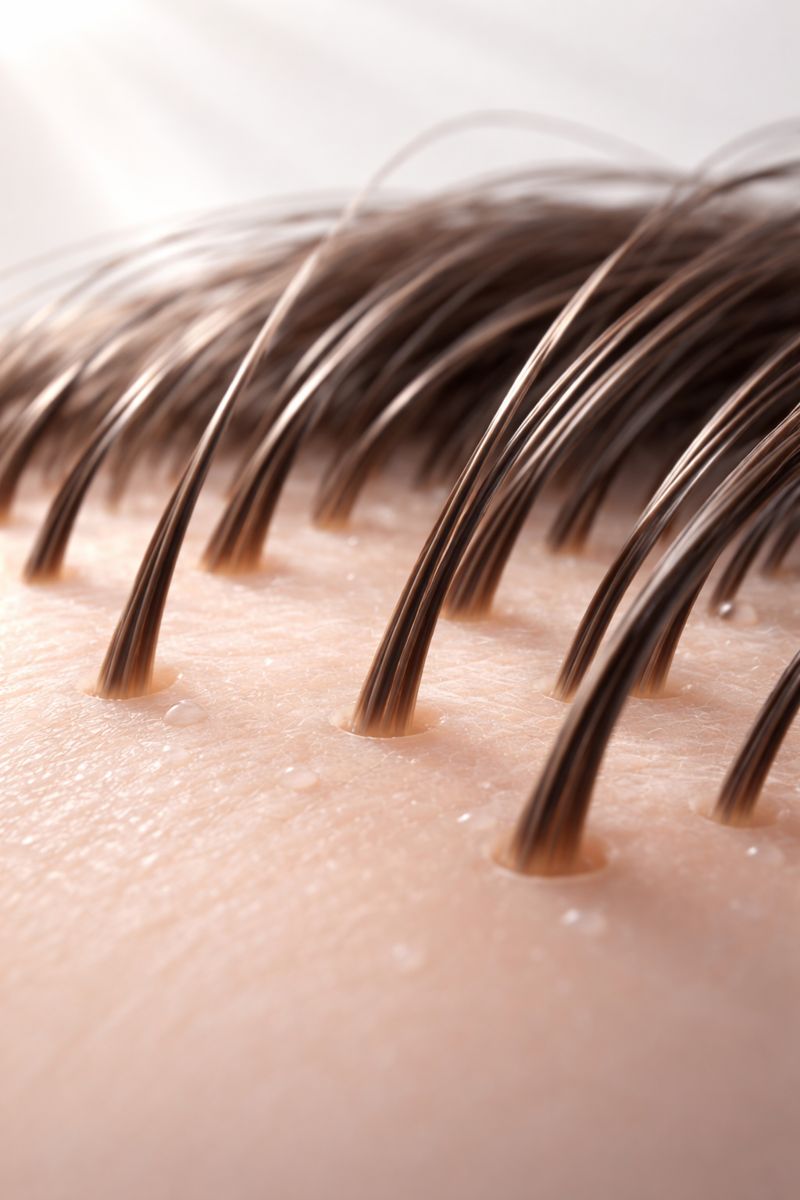
Whether shedding or hair loss is involved, the scalp environment plays an important role in how hair appears. A balanced scalp supports normal cycling and helps follicles perform closer to their natural capacity.
Scalp-focused routines—like those discussed across educational resources from Rapid Infuse—aim to support the surface conditions that influence hair appearance without disrupting natural biology.
Temporary shedding often benefits from patience, routine stability, and gentle scalp care. Overreacting with aggressive treatments can sometimes worsen irritation or stress.
For ongoing thinning, consistency becomes more important than intensity. Controlled, repeatable routines—such as the approach behind the Rapid Infuse Hair Regrowth System—are designed to support hair appearance gradually rather than promise overnight change.
Understanding the difference between shedding and hair loss helps set realistic expectations and prevents unnecessary panic. Hair behavior changes over time, and not every increase in hair fall signals permanent loss.
By recognizing patterns, supporting scalp health, and maintaining consistent routines, many people can better manage changes in hair appearance with confidence.
Rapid Infuse
Explore the product designed for consistency — lightweight, fast absorb, and built for everyday use.
Shop Now →